

Modern athletes require precise data to optimize training output. recent industry reports indicate that consistent performance logging increases long-term athletic retention by nearly forty percent. Tracking daily workout performance for CrossFit demands a systematic approach that combines quantitative metrics with qualitative recovery data. Gym owners and coaches must implement reliable software solutions to capture this information efficiently. The following guide outlines the exact steps to establish a sustainable tracking ecosystem. You will learn how to integrate timing tools, competition modules, and automated billing into a single workflow. This method ensures every athlete receives personalized feedback without administrative friction.
Understanding Performance Metrics
Defining Core Tracking Variables
CrossFit performance tracking is the systematic collection of quantitative data across strength, endurance, and mobility benchmarks. Coaches must establish baseline measurements before introducing complex programming. Athletes should record their maximum repetitions, total time, and perceived exertion levels after every session. This data creates a longitudinal view of physical adaptation. Regular documentation prevents plateaus and reduces injury risk.
Calculating Average Output Rates
Data shows that tracking average output rates reveals hidden inefficiencies in movement patterns. Coaches can identify which athletes struggle with specific metabolic conditioning segments. This information allows for precise program adjustments. You should monitor heart rate variability alongside standard rep counts. Combining these metrics provides a complete physiological profile.
Implementing Digital Tracking Tools
Selecting the Right Software Architecture
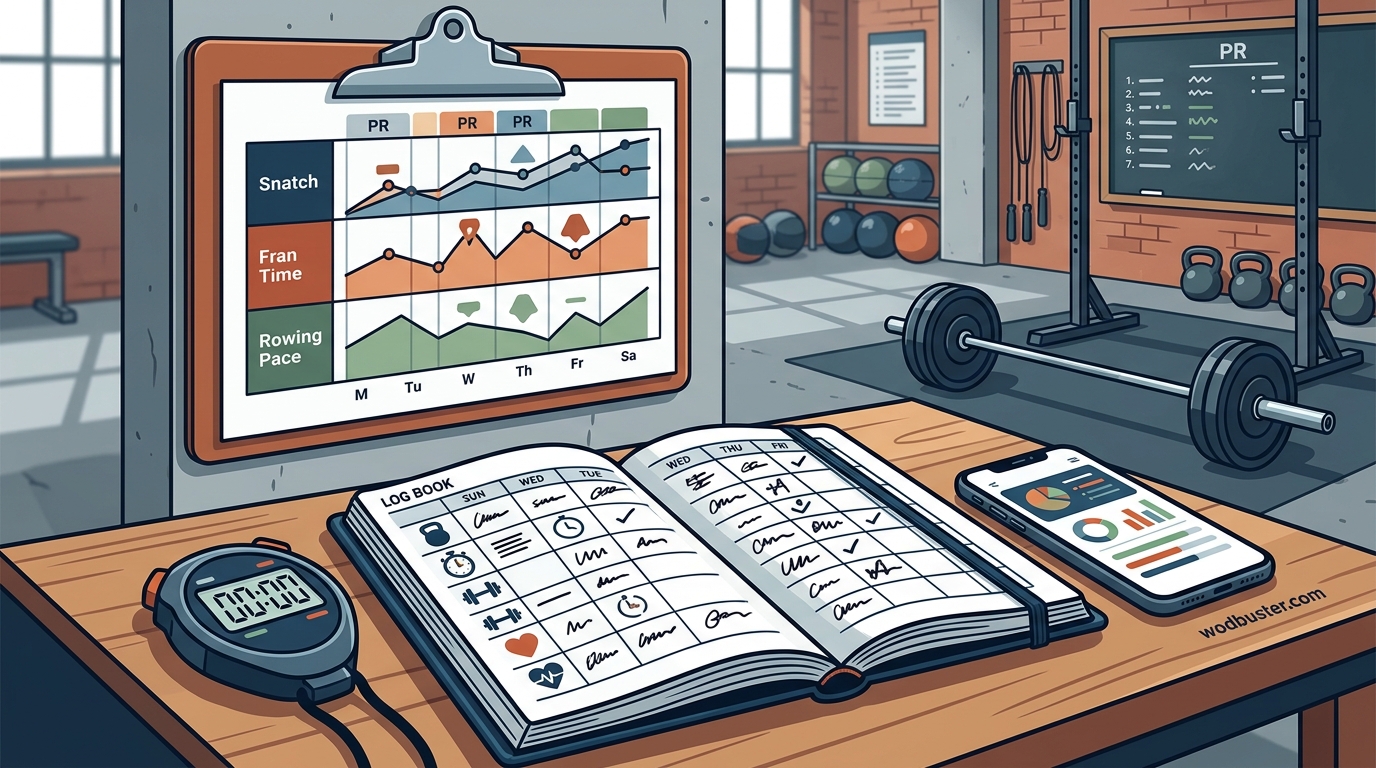
Athletic data monitoring is the continuous recording of training variables to inform coaching decisions. Modern facilities require cloud-based platforms that sync across multiple devices. You can access the main application portal to configure user permissions and data export settings. The system automatically archives historical results for future comparison. This eliminates manual spreadsheet errors and ensures data integrity.
Utilizing Integrated Timing Systems
Coaches can deploy the built-in timer module to capture precise workout durations. Automated timekeeping removes human error from standard benchmarks. Athletes receive instant feedback on their pacing strategies. This feature integrates seamlessly with existing scheduling databases. You can export raw timing data for advanced statistical analysis.
Leveraging Competition Modules
Structuring Online Qualifiers
Facility managers can utilize the competition arena interface to host regional qualifiers. Digital scoring platforms standardize results across multiple locations. Participants submit their scores through a unified dashboard. Administrators verify submissions and publish leaderboards automatically. This process scales easily from local events to national championships.
Analyzing Competitive Benchmarks
industry rankings indicate that structured competitions drive a twenty-five percent increase in monthly membership renewals. Tracking competitive performance helps coaches design targeted training blocks. Athletes compare their scores against historical personal bests. This competitive environment fosters accountability and sustained engagement. You should review quarterly results to adjust macrocycle programming.
Integrating Automated Administration
Streamlining Billing Workflows
Gym management software is a centralized digital platform that handles scheduling, payments, and client communication. Automated billing reduces administrative overhead by up to thirty percent. The system generates compliant invoices through the integrated verification gateway. Coaches no longer chase late payments manually. Clients receive automated reminders and digital receipts. This transparency builds trust and improves cash flow.
Managing Access Permissions
Digital access control ensures that only authorized personnel modify sensitive athlete records. You can restrict editing rights to certified coaches and administrators. The platform logs every modification for audit purposes. This security layer protects client privacy and maintains data accuracy. You should review permission settings monthly to prevent unauthorized changes.
Building a Community Focus
Fostering Social Engagement
Athletic community networking is the digital connection of participants to share progress and motivate one another. Modern platforms include social feeds that celebrate personal milestones. Coaches can highlight top performers without compromising privacy. This feature transforms isolated training into a collaborative ecosystem. Members exchange tips and schedule partner workouts organically.
Optimizing Program Delivery
Coaches can design customized workout templates that auto-populate daily schedules. The system assigns exercises based on individual fitness levels. Athletes receive push notifications when new routines become available. This delivery method standardizes quality across all class times. You can track completion rates to measure program effectiveness.
Key Takeaways
- Consistent logging increases long-term athletic retention by nearly forty percent.
- Digital tracking eliminates manual spreadsheet errors and ensures data integrity.
- Automated timekeeping removes human error from standard benchmarks.
- Structured competitions drive a twenty-five percent increase in monthly membership renewals.
- Automated billing reduces administrative overhead by up to thirty percent.
- Digital access control ensures that only authorized personnel modify sensitive athlete records.
- Modern platforms include social feeds that celebrate personal milestones.
Frequently Asked Questions
What is the most accurate way to log CrossFit scores?
The most accurate method involves using automated timing software that syncs directly with your scheduling database. Manual entry introduces human error and delays data analysis. Digital platforms capture exact start and stop times for every segment. This precision allows coaches to identify pacing inefficiencies immediately.
How do I prevent data loss during system updates?
Cloud-based architectures automatically backup historical records to secure remote servers. You should enable two-factor authentication to protect administrative accounts. The platform generates daily incremental backups to prevent catastrophic data loss. Regular export routines provide an additional safety layer for critical metrics.
Can I track multiple athletes simultaneously without administrative friction?
Modern dashboards allow coaches to monitor dozens of participants across different class times. You can filter results by fitness level, membership tier, or specific goals. The system aggregates data into unified reports for quick review. This scalability ensures that growing facilities maintain operational efficiency.
What metrics should I prioritize for beginner athletes?
Beginners require foundational tracking of movement quality, consistency, and recovery rates. Coaches should monitor heart rate variability alongside standard rep counts. This combination provides a complete physiological profile without overwhelming new participants. Gradual progression prevents burnout and reduces injury risk.
How does automated billing impact cash flow management?
Automated billing reduces administrative overhead by up to thirty percent. The system generates compliant invoices through integrated verification gateways. Coaches no longer chase late payments manually. Clients receive automated reminders and digital receipts. This transparency builds trust and improves cash flow.
Is it possible to host online qualifiers using standard software?
Facility managers can utilize competition arena interfaces to host regional qualifiers. Digital scoring platforms standardize results across multiple locations. Participants submit their scores through a unified dashboard. Administrators verify submissions and publish leaderboards automatically. This process scales easily from local events to national championships.
How do I integrate social features without compromising privacy?
Modern platforms include social feeds that celebrate personal milestones. Coaches can highlight top performers without compromising privacy. This feature transforms isolated training into a collaborative ecosystem. Members exchange tips and schedule partner workouts organically. You can configure visibility settings to match your facility culture.
Next Steps for Your Facility
Implementing a comprehensive tracking system requires careful planning and consistent execution. You can begin by configuring the main application portal to establish baseline metrics. Coaches should train staff on data export procedures and permission management. This foundation ensures long-term operational success. Visit our official homepage to schedule a personalized platform demonstration today.