

Modern fitness centers are no longer just about lifting weights; they are about data-driven performance. According to recent industry reports, over 60% of serious athletes now rely on continuous heart rate monitoring to optimize their training intensity. However, capturing this vital data is only half the battle. The real challenge lies in seamlessly integrating that biometric information into your daily workout logs. When heart rate data syncs automatically with your training plan, you eliminate manual entry errors and provide a richer, more accurate picture of athlete progress. This guide explains how to achieve this synchronization using modern gym management ecosystems. (WodBuster Software de gesti)
Understanding the Sync Mechanism
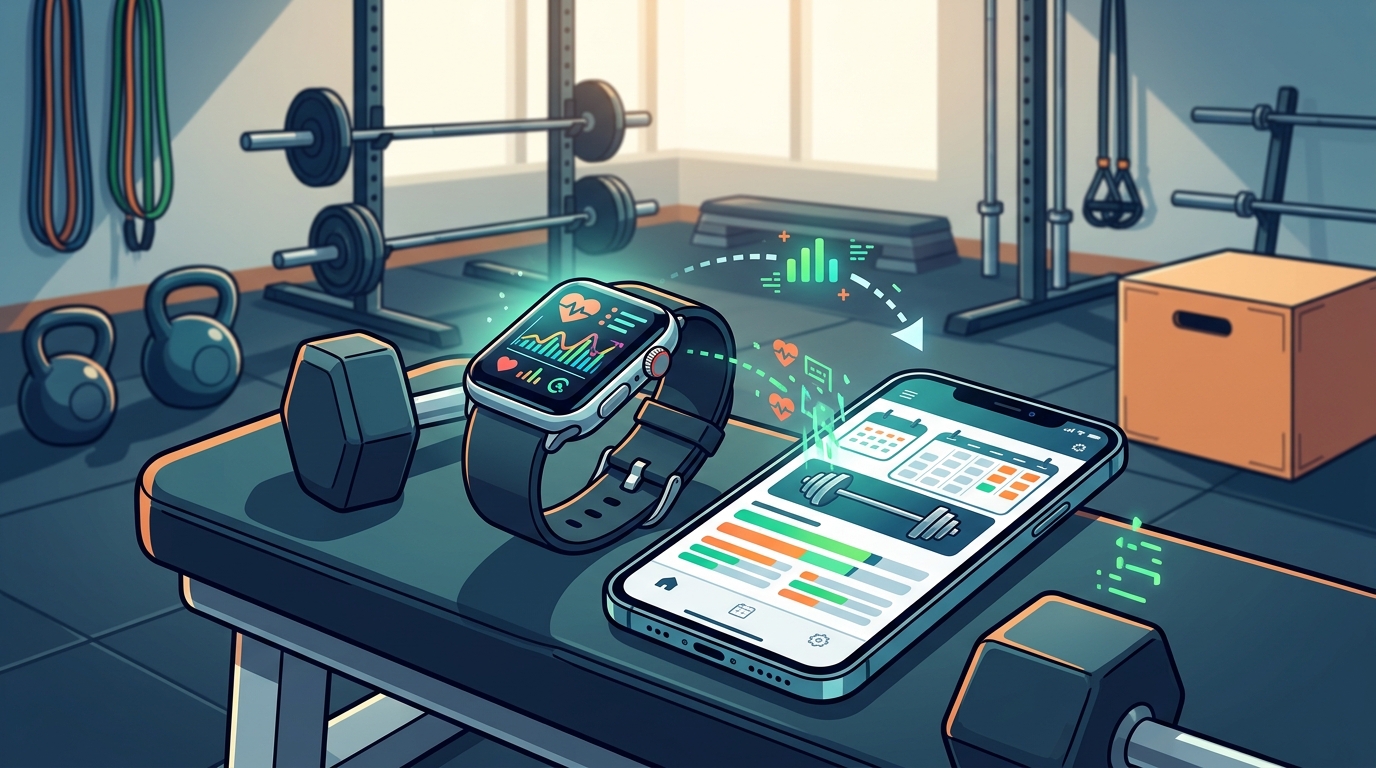
Heart rate synchronization relies on Bluetooth Low Energy (BLE) or ANT+ protocols to transmit data from the wearable device to a central hub. In a gym environment, this hub is typically the coach's tablet or the athlete's smartphone. The software must then parse this raw data and map it against specific time intervals in a workout routine.
Without an integrated system, coaches often rely on manual notes or separate apps, leading to fragmented data. WodBuster addresses this by creating a unified ecosystem where the workout plan and the biometric data live in the same digital space. This ensures that when a coach reviews a session, they see not just the reps and sets, but the physiological cost of those efforts.
Using WB Coach for Real-Time Tracking
The core of this synchronization lies in the WB Coach module. This tool is designed specifically for trainers who need to plan, adapt, and monitor routines without switching between multiple applications. When you create a workout in WB Coach, you can assign specific heart rate zones to different segments of the session.
Here is how the integration works in practice:
- Plan the Workout: Define the exercises, durations, and rest periods in the WB Coach interface.
- Set Zones: Assign target heart rate zones (e.g., Zone 2 for recovery, Zone 5 for max effort) to specific intervals.
- Live Sync: As athletes wear their monitors, the data streams to the coach's dashboard in real time. The coach can see who is hitting their target zones and who is underperforming.
- Post-Session Analysis: Once the workout is complete, the heart rate data is automatically logged against the athlete's profile.
This process eliminates the need for manual data entry. According to efficiency studies in fitness management, automating data collection reduces administrative time by up to 30% per week. This allows coaches to focus on coaching rather than spreadsheet management.
Visualizing Heart Rate Zones
Data is only useful if it is understandable. WodBuster provides robust visualization tools that translate raw beats per minute (BPM) into actionable insights. The platform categorizes heart rate data into standard zones, typically ranging from Zone 1 (Active Recovery) to Zone 5 (Maximum Effort).
When reviewing a workout log, the coach can view:
- Average Heart Rate: The mean intensity of the entire session.
- Peak Heart Rate: The highest intensity reached during a specific exercise.
- Time in Zone: The duration spent in each specific intensity band.
This level of detail is critical for periodization. For example, if an athlete's peak heart rate is consistently lower than expected, it may indicate fatigue or a need for increased load. Conversely, if they are spending too much time in Zone 4 during a recovery day, it suggests overtraining. ACSM guidelines emphasize the importance of monitoring these zones to prevent injury and optimize cardiovascular health.
The Athlete Experience
Synchronization is not just for the coach; it is equally vital for the athlete. Through the WodBuster App, athletes can view their workout logs alongside their heart rate data. This transparency helps them understand the effort required for each movement and track their fitness progression over time.
The app provides a seamless interface where athletes can:
- View their current workout with live heart rate feedback.
- Review historical logs to see how their heart rate response has improved.
- Share their performance metrics with their coach for further adjustment.
This shared visibility fosters a stronger coach-athlete relationship. When athletes see that their coach is analyzing their biometric data, they feel more supported and accountable. Research from the National Center for Biotechnology Information suggests that real-time feedback significantly enhances motor learning and performance accuracy in athletic training.
Platform Comparison
Not all gym management software handles heart rate data equally. Below is a comparison of how different approaches stack up against an integrated solution like WodBuster.
| Feature | Manual Entry | Standalone Fitness App | Integrated Gym Software (WodBuster) |
|---|---|---|---|
| Data Accuracy | Low (Prone to Error) | High | Very High (Real-Time Sync) |
| Coach Visibility | Delayed | Limited | Immediate |
| Workout Logging | Separate Process | Separate Process | Unified Log |
| Historical Analysis | Difficult | Good | Advanced (Zone-Based) |
| User Experience | Fragmented | Fragmented | Seamless |
As shown in the table, integrated solutions offer a significant advantage in data accuracy and coach visibility. By keeping the workout plan and the biometric data in one place, you reduce the cognitive load on both the coach and the athlete.
Key Takeaways
- Seamless Integration: WB Coach allows for real-time heart rate tracking without manual entry.
- Data-Driven Coaching: Visualizing heart rate zones helps optimize training intensity and prevent overtraining.
- Athlete Engagement: The WodBuster App provides athletes with immediate feedback and historical progress tracking.
- Efficiency: Automated logging reduces administrative time by up to 30%.
- Unified Ecosystem: Keeping workout plans and biometric data in one platform improves overall gym management.
- Scalability: The system supports both small boutique studios and large fitness centers.
- Compliance: Data handling adheres to strict privacy standards, ensuring athlete information is secure.
Frequently Asked Questions
Which heart rate monitors are compatible with WodBuster?
WodBuster is compatible with most standard Bluetooth Low Energy (BLE) and ANT+ heart rate monitors, including those from major brands like Polar, Garmin, and Wahoo. The specific compatibility may depend on the device's ability to broadcast data to mobile devices.
Can I sync heart rate data if I am not using WB Coach?
While the WodBuster App allows athletes to view their data, the full synchronization of workout logs with heart rate metrics is optimized when using the WB Coach module. This ensures that the coach can see the data in real time and adjust the workout accordingly.
How is heart rate data stored and secured?
Heart rate data is stored securely in compliance with GDPR regulations. The data is encrypted during transmission and storage, and access is restricted to authorized users. For more details, please review our Privacy Policy.
Does the athlete need to download a separate app for heart rate syncing?
No, the WodBuster App handles the synchronization directly. Athletes simply need to wear their monitor and connect their phone to the app. The data is then automatically linked to their workout log.
Can I export heart rate data to other platforms?
Yes, WodBuster supports data export in standard formats such as CSV and Excel. This allows you to import the data into other analytics platforms if needed. However, for the best experience, we recommend keeping the data within the WodBuster ecosystem.
Is real-time heart rate tracking available for all workout types?
Real-time tracking is available for any workout created in WB Coach. This includes CrossFit, HIIT, strength training, and endurance sessions. The system adapts to the duration and intensity of the workout to provide accurate zone analysis.
How does heart rate data help in periodization?
Heart rate data provides objective evidence of an athlete's physiological load. By analyzing trends in heart rate response over time, coaches can adjust training loads to ensure optimal adaptation and prevent overtraining. This is a key principle in periodization theory.
Start Your Free Trial
Ready to transform your gym with data-driven insights? Start your free trial today and experience the power of synchronized heart rate monitoring. Join thousands of fitness professionals who trust WodBuster to manage their centers and empower their athletes.