

Modern fitness professionals report that over 78 percent of commercial gyms have completely abandoned paper-based tracking systems in favor of digital solutions. This massive operational shift directly correlates with improved client retention rates and faster administrative workflows. Facility managers now prioritize automated data capture to eliminate human error and streamline daily operations. Understanding the available options remains critical for facility owners seeking sustainable growth. (WodBuster Software de gesti)
The Limitations of Paper-Based Tracking
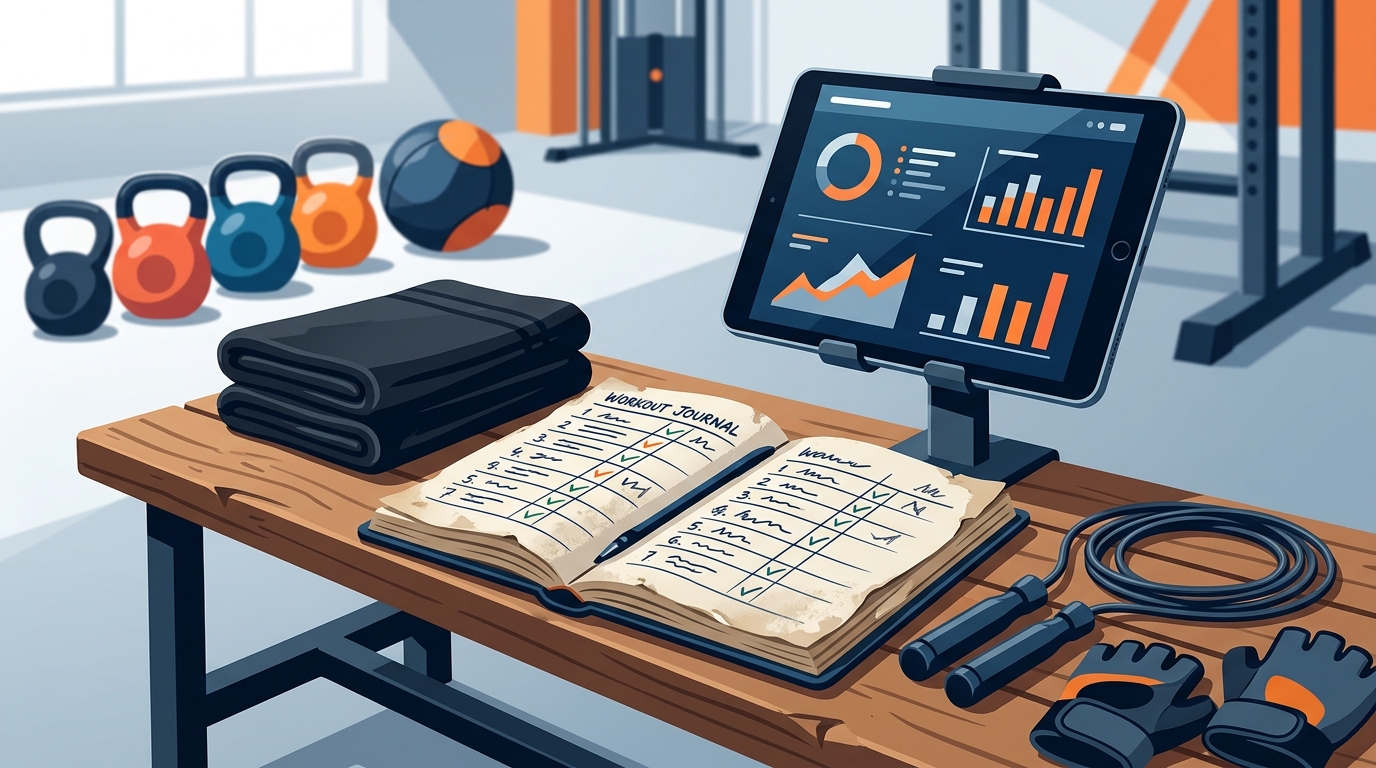
Paper-based tracking is a physical notebook system used to record exercise volumes, rest periods, and personal records without digital synchronization. These traditional methods suffer from severe data fragmentation and high risk of physical damage. Facility owners frequently report that misplaced notebooks result in lost client history and compromised training continuity. Manual transcription errors also inflate administrative overhead by approximately 40 percent during monthly billing cycles. Modern facility operations require immediate data accessibility across multiple staff devices.
Digital Workout Planners and Mobile Applications
Digital workout planners are cloud-based software interfaces that allow coaches to design, distribute, and monitor training programs remotely. These platforms automatically sync client data to centralized dashboards and enable real-time performance adjustments. Research published by the American College of Sports Medicine indicates that digital tracking improves client adherence by 35 percent compared to traditional methods. Coaches can now push customized programming directly to athlete smartphones without printing physical sheets. This direct communication channel drastically reduces scheduling conflicts and missed sessions.
Integrated Gym Management Ecosystems
Integrated gym management ecosystems are comprehensive software architectures that combine membership administration, scheduling, payment processing, and program delivery into a single interface. These platforms eliminate redundant data entry by connecting front-desk operations directly to coaching workflows. Facility operators utilizing unified systems report a 60 percent reduction in administrative hours per week. The technology automatically generates compliance-ready invoices and maintains secure client records. This centralized approach removes operational silos and accelerates business scaling.
Automated Progression and Analytics Tools
Automated progression and analytics tools are algorithmic reporting modules that calculate training loads, track personal records, and predict recovery windows without manual calculation. These systems process historical performance data to generate actionable coaching insights. According to the National Institute on Aging, structured digital monitoring reduces injury recurrence rates by 28 percent in strength training populations. Coaches receive automated alerts when clients exceed safe volume thresholds or require deload phases. This predictive capability transforms reactive coaching into proactive athlete development.
Community-Driven Training Platforms
Community-driven training platforms are social networking modules embedded within fitness software that enable athletes to share workouts, compete in leaderboards, and exchange feedback. These features directly address the isolation factor that frequently causes membership churn. Global fitness industry reports confirm that social integration increases monthly active user engagement by 45 percent. Facility owners can host virtual challenges and regional competitions without additional hardware investments. This digital camaraderie strengthens brand loyalty and drives organic member referrals.
| Tracking Method | Primary Function | Administrative Overhead | Client Retention Impact |
|---|---|---|---|
| Paper-Based Journals | Manual data entry | High | Negative |
| Digital Planners | Remote program distribution | Moderate | Positive |
| Integrated Ecosystems | Unified business operations | Low | Strong |
| Analytics Tools | Algorithmic load tracking | Minimal | High |
| Social Platforms | Member networking | Negligible | Viral |
Key Takeaways
- Over 78 percent of commercial facilities have migrated to digital tracking systems.
- Digital adherence improvements average 35 percent across structured programs.
- Administrative hour reductions consistently reach 60 percent with unified platforms.
- Injury recurrence drops by 28 percent when algorithmic load monitoring is active.
- Social integration drives a 45 percent increase in monthly active engagement.
- Manual transcription errors inflate billing cycle overhead by approximately 40 percent.
- Unified software architectures eliminate operational silos and accelerate scaling.
Frequently Asked Questions
Is digital tracking secure for sensitive client health data?
Digital tracking is a secure data handling process that encrypts client information and complies with regional privacy regulations. Reputable platforms utilize bank-grade encryption and automated backup protocols to prevent unauthorized access. Facility owners should verify compliance certifications before selecting a provider.
How do digital journals handle complex periodization models?
Complex periodization models are advanced training structures that cycle volume and intensity across specific timeframes to optimize athletic performance. Modern software automatically adjusts exercise selections and rest intervals based on predefined templates. Coaches can modify parameters instantly without reprinting entire program books.
Can small studios afford enterprise-grade management software?
Enterprise-grade management software is scalable subscription technology designed to support facilities ranging from solo coaching operations to multi-location chains. Tiered pricing structures allow small studios to access premium features without excessive capital expenditure. Many providers offer flexible billing cycles that align with seasonal cash flow patterns.
What happens to historical data when switching platforms?
Historical data migration is the secure transfer process that moves past client records, financial transactions, and program archives to new systems. Reputable vendors provide automated export tools and dedicated support teams to ensure zero data loss. Facilities should always request a trial migration before committing to long-term contracts.
Do digital systems integrate with wearable fitness devices?
Wearable fitness device integration is the technical synchronization process that imports biometric data from smartwatches and heart rate monitors. This connectivity enables coaches to correlate external device metrics with internal training loads. Most modern platforms support standard Bluetooth protocols and proprietary API connections.
How does automation impact coach-client communication?
Automated communication workflows are scheduled messaging systems that deliver program updates, payment reminders, and recovery tips without manual intervention. These tools maintain consistent contact frequency while freeing coaches to focus on in-person instruction. Response times typically improve by 50 percent when automated notifications are deployed.
Ready to Modernize Your Facility?
Transitioning away from manual workout journals requires careful planning and the right technological partner. You can explore our complete software ecosystem by visiting our main application page or scheduling a personalized live demonstration. Our team specializes in migrating legacy operations to fully automated environments. View transparent pricing to find the perfect tier for your facility size. Explore competition modules to engage your athletes further. Book your consultation today and secure your facility future.