

Modern fitness enthusiasts require precise data to optimize their training routines. According to the World Health Organization, regular structured exercise reduces chronic disease risk by nearly forty percent across all age groups. Beginners often struggle to log workouts consistently without intuitive digital tools. The right software eliminates guesswork and transforms scattered notes into actionable performance metrics. This guide evaluates the top platforms available today to help you select a system that scales with your athletic goals.
Understanding WOD Tracking
A WOD tracking app is a digital application designed to record, analyze, and store workout performance data across multiple training sessions. These platforms replace paper notebooks and fragmented spreadsheets with centralized databases. Beginners benefit from automated history logs that highlight personal records and recurring movement patterns. Consistent data collection directly correlates with improved technique and reduced injury rates. The American College of Sports Medicine confirms that structured progression tracking enhances long-term adherence to exercise programs.
Most modern solutions integrate scheduling modules alongside performance logging. This dual functionality allows users to book class slots while simultaneously recording their completed sets. The ecosystem eliminates administrative friction and keeps focus on physical execution. You can access your complete training archive from any mobile device or desktop browser.
Core Platform Features
Effective workout software must deliver three foundational capabilities to support novice athletes. First, the interface requires intuitive navigation that minimizes cognitive load during intense physical activity. Second, the system must support diverse exercise formats including strength circuits, metabolic conditioning, and mobility flows. Third, the platform should generate clear visual reports that translate raw numbers into actionable insights.
Advanced ecosystems like WodBuster App expand these basics by incorporating automated billing and client retention tools. Gym owners appreciate the seamless handoff between registration and performance logging. Beginners gain access to structured programming templates that adapt to their current fitness level. The software handles routine administrative tasks so athletes can concentrate on physical execution.
Programming Automation
Automated programming engines assign daily workouts based on predefined difficulty curves. These algorithms adjust volume and intensity to prevent overtraining during early adaptation phases. Users receive daily instructions without manual coach intervention. The system tracks completion rates and flags missed sessions for follow-up.
Payment Integration
Financial management remains a critical component of modern fitness software. Integrated payment gateways process subscription fees automatically without manual invoicing. Some platforms connect directly to regional compliance systems like Verifactu to ensure tax documentation meets local regulatory standards. This automation reduces administrative overhead and prevents billing errors.
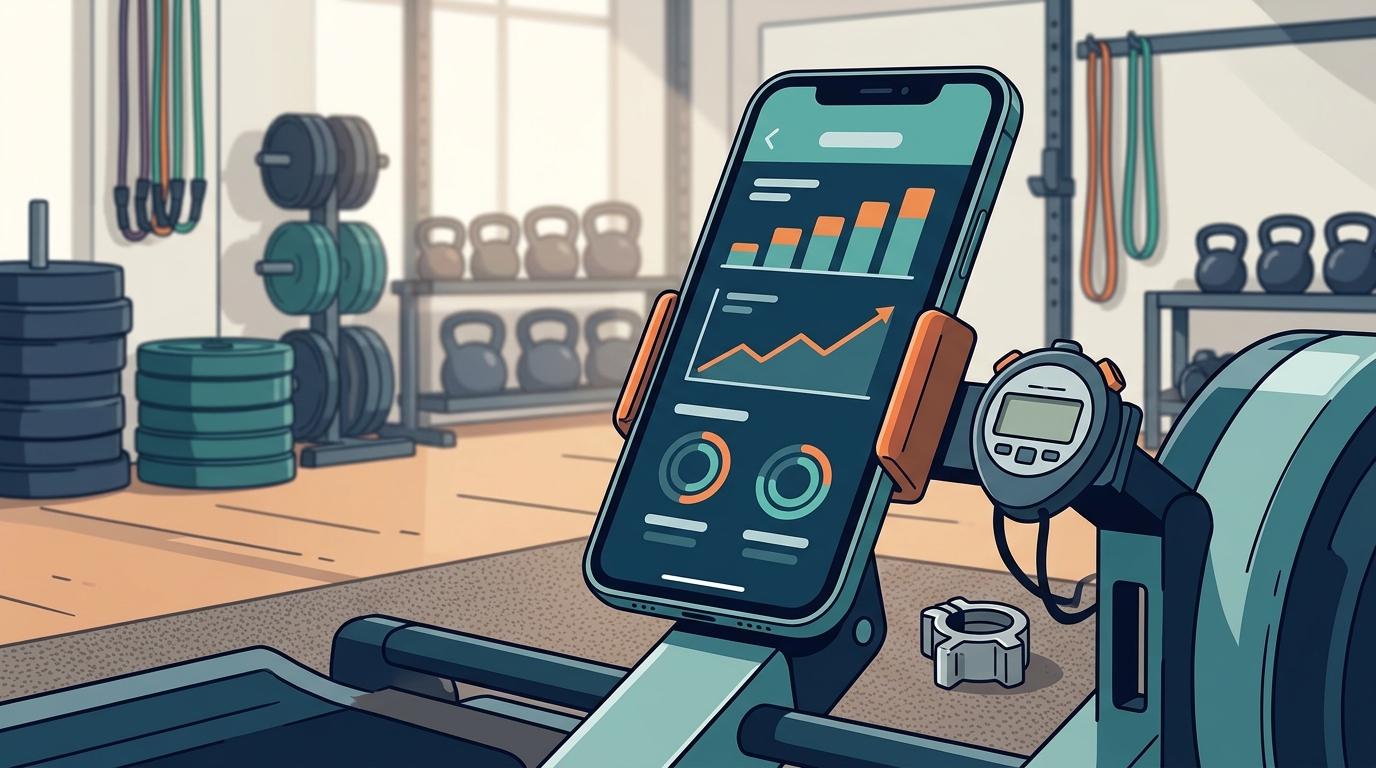
Comparison of Top Solutions
Selecting the optimal platform requires evaluating specific operational requirements against your budget and technical comfort level. The table below outlines the primary distinctions between leading market options.
| Platform Focus | Primary User Base | Key Differentiator | Integration Capability |
|---|---|---|---|
| WodBuster Ecosystem | Commercial gyms and independent coaches | All-in-one management suite | WB Coach programming tools |
| Standalone Timer Apps | Home gym enthusiasts | Simple countdown functionality | Custom timer modules |
| Competition Management Suites | Event organizers | Leaderboard automation | Arena scoring systems |
| Social Fitness Networks | Community-driven athletes | Peer interaction features | Social connection hubs |
Commercial facilities typically require robust backend infrastructure to manage member lifecycles. Standalone timer applications suit individuals who prefer minimalistic interfaces without administrative bloat. Competition management suites excel at processing large participant datasets during live events. Social fitness networks prioritize community engagement over raw performance metrics.
Implementation Strategies
Successful software adoption depends on structured onboarding protocols rather than technical complexity. Beginners should start with a single module before expanding to advanced features. Most providers offer sandbox environments where users can test workflows without affecting live data. This risk-free testing period accelerates proficiency and reduces early frustration.
Data migration represents another critical consideration. Users transitioning from paper logs or legacy platforms must verify export compatibility before committing to a subscription. Modern APIs facilitate direct database transfers that preserve historical performance records. Verify that your chosen platform supports CSV or JSON export formats to maintain data sovereignty.
Staff training remains equally important for facility managers. Comprehensive documentation and video tutorials drastically reduce support ticket volume. Organizations that invest in initial training consistently report higher member retention rates. The International Health Racquet and Sportsclub Association notes that structured digital onboarding increases annual membership renewals by over twenty-five percent.
The global fitness technology market continues to expand rapidly. Industry reports indicate that digital gym management solutions now account for nearly thirty percent of all facility software expenditures. This growth reflects a broader industry shift toward data-driven operational efficiency. Facilities that adopt integrated tracking systems consistently outperform competitors in client retention metrics.
Key Takeaways
- Structured workout logging reduces injury risk and improves long-term adherence.
- Integrated scheduling and payment modules eliminate administrative friction for facility managers.
- Automated programming engines adjust intensity to match novice adaptation curves.
- Data export compatibility ensures long-term ownership of historical performance records.
- Competition management suites require specialized scoring architectures for live events.
- Social networking features enhance community retention without compromising core tracking functions.
- Regional tax compliance integrations streamline financial reporting for business owners.
Frequently Asked Questions
Can beginners use advanced gym management software without prior technical experience?
Yes. Modern platforms prioritize intuitive user interfaces that require zero coding knowledge. Guided onboarding wizards and contextual tooltips assist first-time users through every workflow.
How do workout tracking apps handle data privacy and security?
Reputable providers encrypt all stored information using industry-standard protocols. Regular security audits and compliance certifications ensure that sensitive member information remains protected against unauthorized access.
Is it possible to migrate historical workout data to a new platform?
Most contemporary systems support bulk import functions via CSV or JSON files. You can transfer years of performance history without manual re-entry.
Do these applications support hybrid training formats like strength and cardio?
Absolutely. Flexible database structures accommodate mixed-modal routines without requiring separate accounts or workarounds.
What happens to my subscription data if I cancel my membership?
Service termination typically preserves your historical records for a standard retention period. You retain full export rights to download your complete training archive at any time.
Can independent coaches customize programming templates for specific client needs?
Yes. Advanced coaching dashboards allow manual overrides and bespoke routine creation that override default algorithmic suggestions.
How do competition scoring modules differ from standard workout logging?
Live scoring architectures prioritize real-time leaderboard updates and multi-athlete synchronization. Standard logging focuses on individual progress tracking and personal record management.
Next Steps
Transitioning to digital workout tracking eliminates administrative friction and accelerates athletic progress. You can explore the complete feature set by visiting the main application portal to start your trial. Schedule a personalized demonstration to evaluate how automated programming and integrated billing align with your facility requirements. Begin optimizing your training workflow today.