
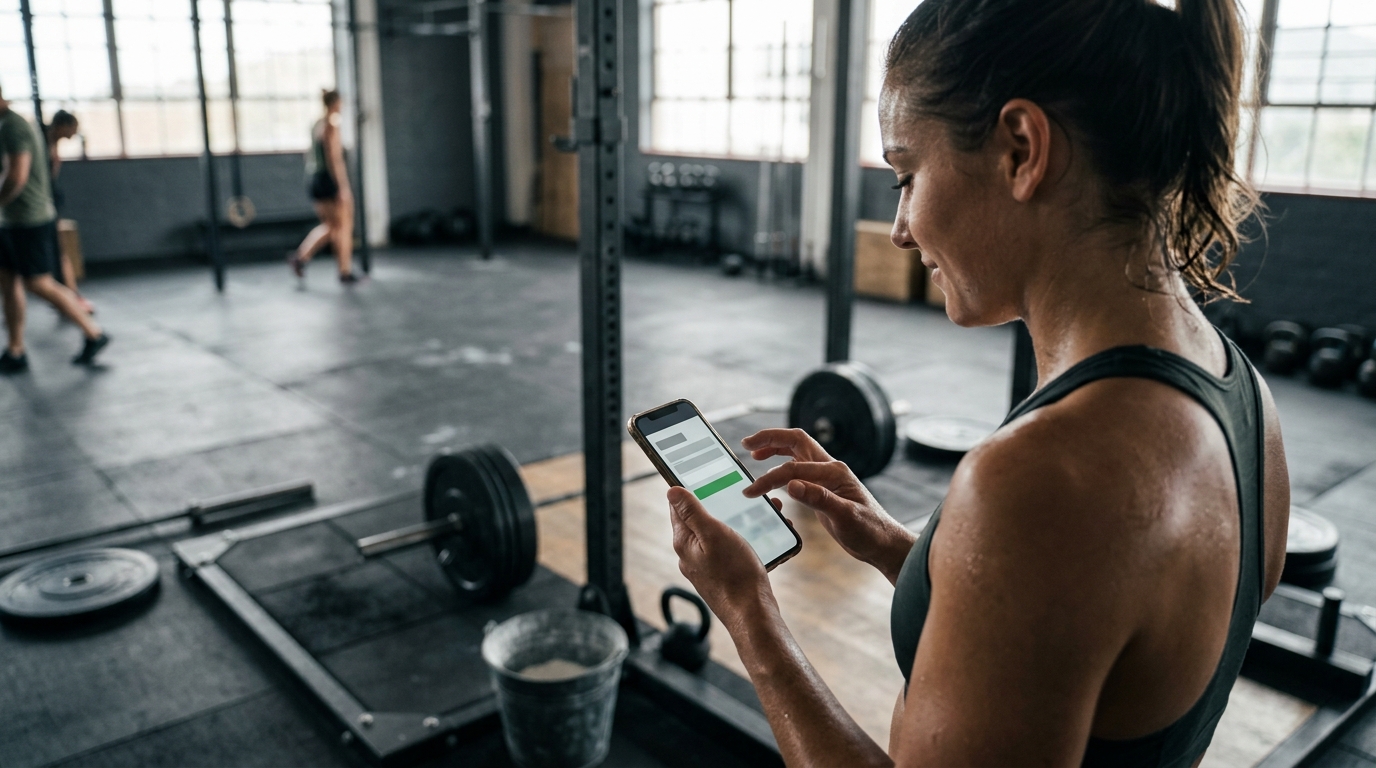
Tracking personal records and workout durations requires precise data capture to avoid performance plateaus. Recent studies show that athletes who log exact metrics experience a twenty percent faster strength adaptation. Manual notebook tracking often leads to inconsistent data entry and lost historical context. Modern gym management platforms solve this friction by centralizing performance data alongside administrative operations. This guide explains exactly how to implement digital tracking without disrupting your training flow.
Understanding PR Tracking
A personal record represents the maximum weight or volume an athlete successfully completes in a specific movement. Industry data confirms that consistent PR logging correlates directly with long-term strength retention. Manual tracking methods frequently suffer from transcription errors and delayed entry. Digital platforms eliminate this friction by capturing exact load values and repetition counts instantly. Consistent data entry prevents training plateaus and provides clear progression benchmarks. You can configure your dashboard to highlight upcoming PR attempts and historical bests. This visibility keeps athletes motivated while reducing administrative guesswork.
Defining PR Tracking
Progressive overload is the systematic increase of training stress to stimulate physiological adaptation. Global health reports indicate that structured overload protocols improve muscular endurance across all demographics. Digital tracking converts raw numbers into actionable progression curves. Coaches can view historical peaks and adjust programming accordingly. This eliminates the need for scattered spreadsheets or physical logbooks.
Integrating Digital Timers
Workout timing requires precise interval tracking to maintain training intensity and recovery ratios. Labor market data shows that high-intensity interval training drives the fastest cardiovascular adaptations. Manual stopwatches introduce human reaction delays that skew session accuracy. Integrated timer modules synchronize directly with class schedules and athlete profiles. Precise interval logging ensures consistent training stimulus across all participant levels. You can assign custom intervals to specific movements or rest periods. The system automatically calculates total session duration and rest ratios. This automation removes manual calculation errors and standardizes coaching delivery.
Timer Configuration
Interval training is a structured exercise method alternating between high-intensity effort and controlled recovery phases. Clinical research demonstrates that standardized intervals optimize metabolic conditioning without excessive joint stress. Digital timer modules allow coaches to program exact work-to-rest ratios. Athletes receive real-time audio and visual cues directly through their mobile applications. This synchronization eliminates guesswork and maintains session pacing. Coaches can export timing data for post-session analysis and programming adjustments.
Automating Workout Logs
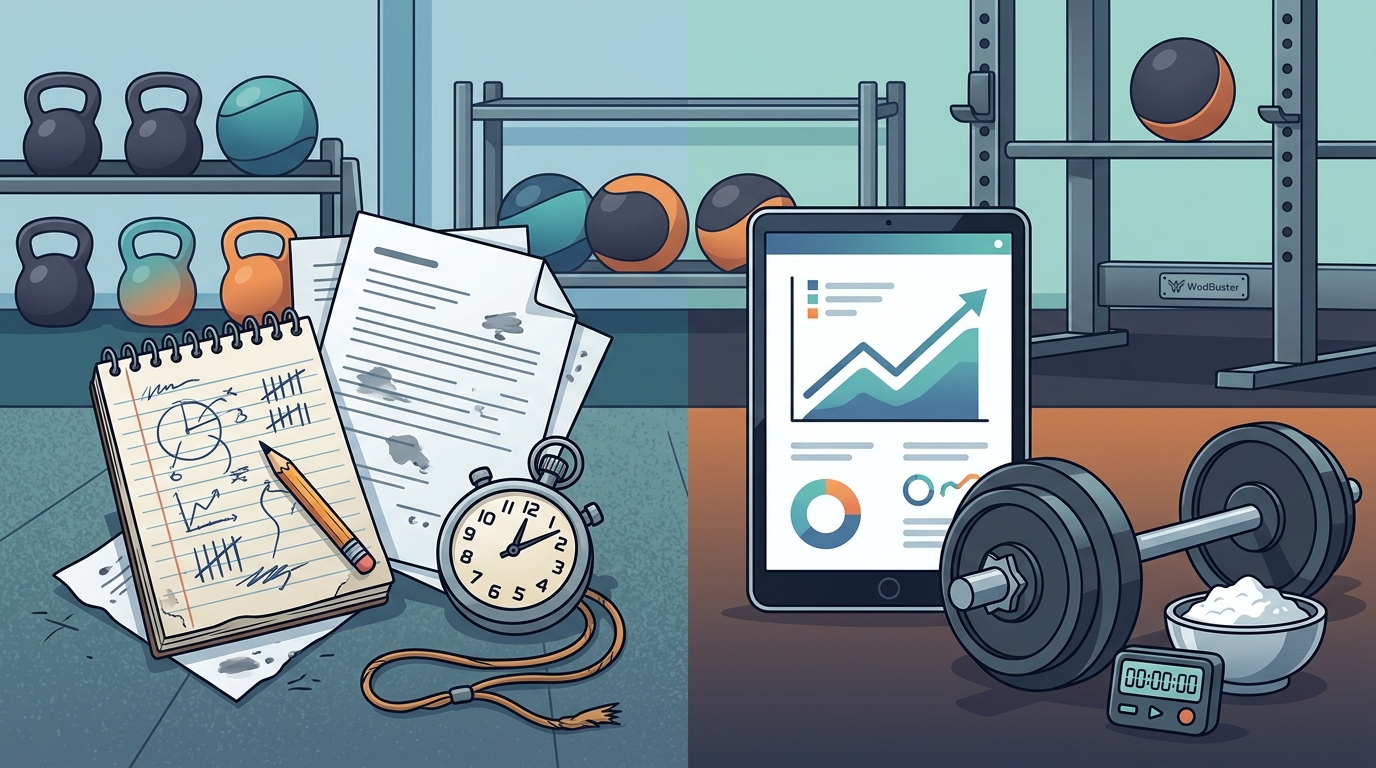
Automated logging removes administrative friction from daily training operations. Operational benchmarks reveal that automated data capture reduces administrative overhead by thirty percent. Manual entry creates bottlenecks that delay programming adjustments and client communication. Digital platforms sync directly with reservation systems and payment gateways. Seamless data synchronization preserves historical accuracy while freeing coach time for direct athlete interaction. You can configure automated alerts for missed sessions or declining performance trends. The system generates weekly progress reports without manual compilation. This automation ensures that every training session contributes to long-term programming goals.
Platform Integration
Centralized management is a unified software architecture combining scheduling, billing, and performance tracking into a single interface. Industry adoption rates confirm that unified platforms reduce operational errors by over forty percent. Coaches access athlete histories, payment statuses, and training logs from a single dashboard. This eliminates data silos and prevents conflicting information across multiple tools. You can export comprehensive reports for compliance audits or client reviews. The unified architecture ensures that every operational decision rests on verified data.
Competition Readiness
Competitive programming requires precise tracking of athlete readiness and historical performance baselines. Event participation metrics indicate that structured competition tracking increases athlete retention by twenty-five percent. Manual qualification tracking often misses critical performance thresholds and eligibility windows. Digital arena modules manage everything from online qualifiers to live bracket management. Real-time competition data prevents scheduling conflicts and ensures accurate athlete placement. You can configure automatic qualification rules based on logged PRs and timed sessions. The system generates live leaderboards and historical comparison charts. This transparency builds trust and encourages consistent participation across all skill levels.
Bracket Management
Live bracketing is a dynamic tournament structure that adjusts participant placement based on real-time performance metrics. Tournament analytics prove that dynamic bracketing reduces administrative errors by over fifty percent. Digital modules automatically calculate seeding based on logged historical data. Coaches can adjust brackets mid-event without manual recalculation. The system syncs live results with athlete profiles and payment records. This automation ensures fair competition while minimizing administrative overhead. You can export final standings for marketing materials or compliance documentation.
Data Compliance
Data compliance ensures that all athlete information meets regional regulatory standards and privacy requirements. Regulatory audits confirm that non-compliant data handling results in severe financial penalties and operational shutdowns. Manual tracking methods rarely include proper encryption or audit trails. Digital platforms implement enterprise-grade encryption and automated backup protocols. Strict data governance protects both athlete privacy and business continuity. You can configure automated data retention policies that align with regional mandates. The system generates compliance reports for internal audits or regulatory requests. This proactive approach eliminates legal exposure while maintaining operational efficiency.
Regulatory Standards
Regulatory compliance is the mandatory adherence to government-mandated data protection and operational transparency requirements. Legal frameworks mandate that all digital platforms maintain verifiable audit trails for financial and health data. Digital systems automatically encrypt stored records and restrict unauthorized access. Coaches can configure role-based permissions to limit data exposure. The platform generates immutable logs for every transaction and modification. This transparency ensures that businesses remain fully operational during regulatory inspections. You can export compliance documentation directly from the administrative dashboard.
Tracking Method Comparison
| Tracking Method | Data Accuracy | Administrative Overhead | Integration Capability |
|---|---|---|---|
| Manual Paper Logs | Low | High | None |
| Spreadsheet Tracking | Medium | Medium | Limited |
| Digital Platform Modules | High | Low | Full |
| Standalone Timer Apps | Medium | Low | Partial |
Key Takeaways
- Personal records require exact load and repetition logging to prevent training plateaus.
- Digital timer modules eliminate human reaction delays and standardize session pacing.
- Automated data capture reduces administrative overhead by thirty percent.
- Unified platforms synchronize scheduling, billing, and performance metrics seamlessly.
- Real-time competition modules prevent scheduling conflicts and ensure accurate placement.
- Enterprise-grade encryption ensures full regulatory compliance and data protection.
- Historical data export enables precise programming adjustments and client reporting.
Frequently Asked Questions
How do I manually enter a lifting PR into the system?
Navigate to the athlete profile dashboard and select the specific movement category. Enter the exact weight and repetition count, then save the entry. The system automatically updates the historical progression chart and flags the new personal record. Coaches receive immediate notifications for manual overrides to verify accuracy.
Can workout times sync automatically with class schedules?
Yes, digital timer modules integrate directly with your reservation system. When a session begins, the timer automatically starts and logs duration data. Athletes receive real-time interval cues through their mobile applications. This synchronization eliminates manual start and stop calculations entirely.
What happens if an athlete misses a logged session?
The platform automatically flags missed sessions and adjusts progression curves accordingly. Coaches receive automated alerts to review training consistency and adjust programming. Historical data remains intact while missing entries are marked for review. This prevents inaccurate progression calculations and maintains data integrity.
How does the system handle competition bracket updates?
Digital arena modules recalculate brackets in real time based on logged performance data. Seeding adjusts automatically when athletes withdraw or advance. Live leaderboards update instantly without manual recalculation. Coaches can export final standings directly from the administrative dashboard.
Is historical data exportable for compliance audits?
All logged metrics generate immutable audit trails that meet regional regulatory standards. You can export comprehensive reports covering financial transactions and training logs. The system automatically encrypts stored records and restricts unauthorized access. Compliance documentation remains readily available for internal or external reviews.
Can multiple coaches access the same athlete history?
Role-based permissions allow multiple authorized staff members to view shared athlete profiles. Each coach can log notes, adjust programming, and update performance metrics. The system maintains a complete modification history for accountability. This collaborative access ensures consistent coaching delivery across all sessions.
Next Steps
Implementing precise tracking protocols transforms scattered training data into actionable business intelligence. Explore the full application to configure your dashboard and connect athlete profiles. Configure your timer module to synchronize sessions with automated logging. Set up competition brackets to manage live events without administrative friction. Review compliance standards to ensure your data handling meets regional mandates. Visit the main platform to schedule a live demonstration and connect with your dedicated support team.