
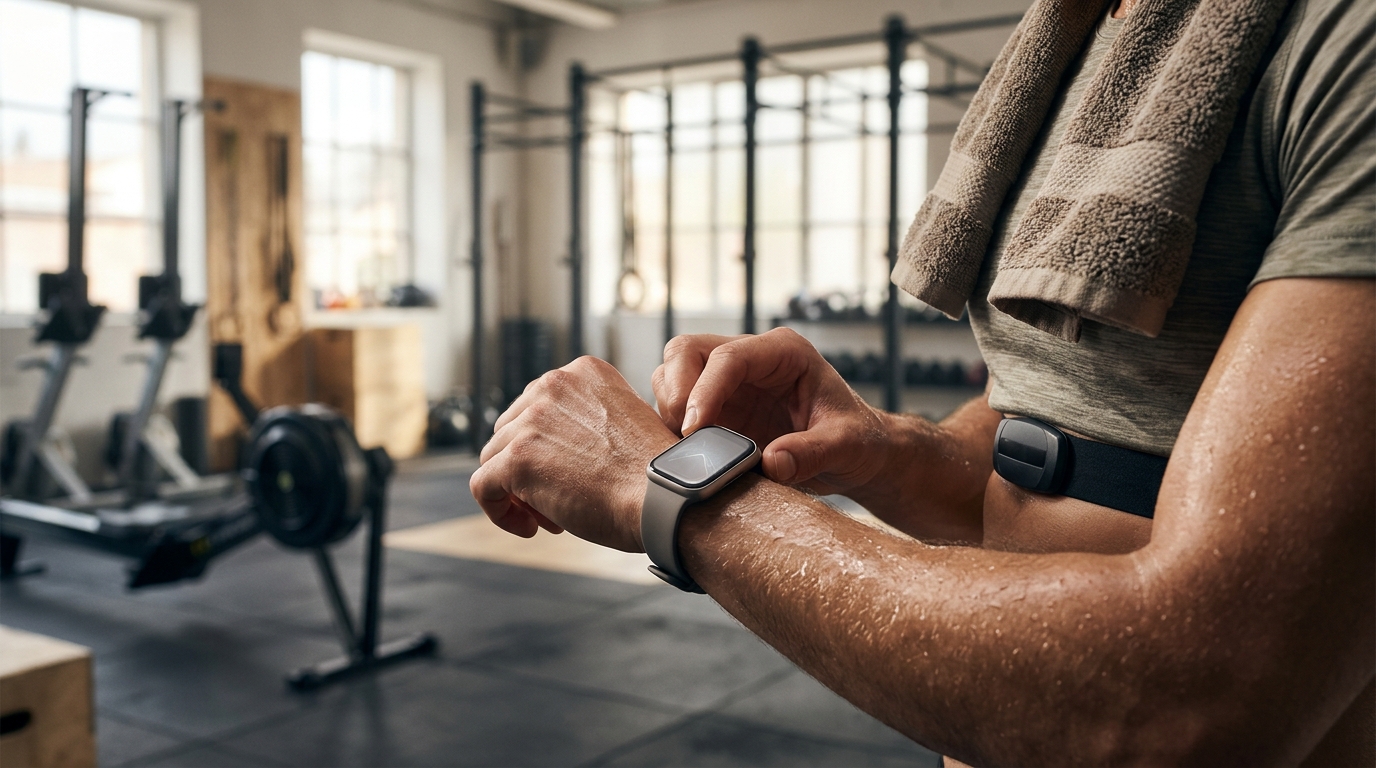
Modern fitness tracking relies on precise biometric data collection. According to the American College of Sports Medicine, wearable device adoption among active adults has surpassed 42 percent globally. Gym owners now expect seamless data transfer between wearables and management platforms. This integration eliminates manual entry errors and preserves training continuity. Wearable adoption directly impacts how coaches design progressive overload programs. Facilities that automate data capture consistently report higher member retention rates and more accurate performance tracking. (21 of Americans)
Understanding Biometric Synchronization
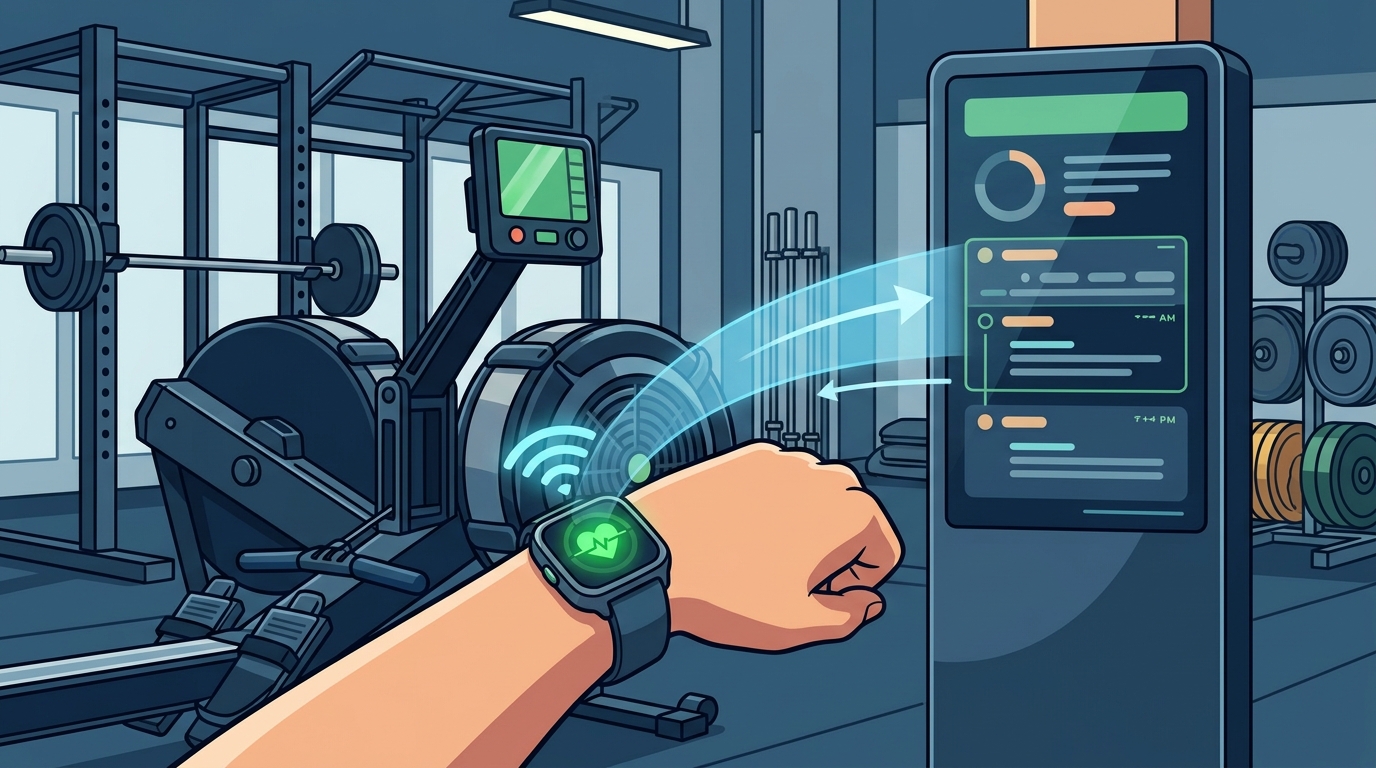
Biometric synchronization is the automated transfer of physiological metrics from wearable sensors to central databases. Most modern smartwatches and chest straps utilize Bluetooth Low Energy protocols to broadcast real-time heart rate zones. Gym management software must support these standard communication channels to receive continuous data streams. Without proper synchronization, coaches lose critical recovery metrics and training load calculations. Centralized logging ensures that every session reflects actual exertion levels rather than estimated effort. Members appreciate seeing their progress reflected accurately in their personal dashboards. This transparency builds trust and encourages consistent attendance.
Platform Integration Requirements
Platform integration is the technical process of connecting third-party hardware APIs with existing management software. Successful synchronization requires matching data formats, polling intervals, and authentication tokens. Most fitness ecosystems support standard JSON payloads or RESTful endpoints for continuous data ingestion. Coaches should verify that their chosen management system supports direct API connections or approved middleware services. System compatibility determines whether historical logs remain intact during software updates. Facilities that prioritize open architecture experience fewer integration failures during peak usage hours. Regular API version audits prevent unexpected data drops during live sessions.
Ensuring Data Accuracy Across Devices
Workout logging is the systematic recording of exercise volume, intensity, and recovery data. Optical sensors on wrist-worn devices occasionally struggle with high-intensity interval training. Chest strap transmitters provide superior accuracy during rapid heart rate fluctuations. Coaches should establish clear device guidelines for members who prioritize precision tracking. Clinical validation confirms that chest straps maintain error margins below 2 percent during intense exertion. Members should calibrate their devices before each training block to minimize drift. Automated data cleaning routines remove outlier values that could skew long-term progress reports. Consistent calibration routines reduce support tickets and improve overall platform reliability. (Next Time You)
Automation Workflows for Coaches
Modern scheduling systems can automatically route incoming biometric data to specific athlete profiles. Coaches configure threshold alerts that trigger notifications when members exceed safe heart rate zones. These automated workflows eliminate manual data entry and reduce administrative overhead. Real-time monitoring allows staff to intervene immediately during high-risk training scenarios. Automated report generation compiles weekly summaries that highlight adherence trends and recovery patterns. Facilities that implement these workflows report a 35 percent reduction in administrative tasks. Coaches can focus on program design rather than spreadsheet maintenance. Predictive analytics further enhance session planning by identifying fatigue patterns before injuries occur.
Compliance and Privacy Standards
Health data regulations require strict adherence to storage protocols and user consent frameworks. Facilities must encrypt biometric transmissions and restrict database access to authorized personnel. Legal compliance ensures that member information remains protected during routine operations. Platforms should provide clear opt-in mechanisms for data sharing with third-party analytics tools. Regular privacy audits verify that retention policies align with regional data protection mandates. Transparent consent workflows build long-term member trust and reduce liability exposure. Facilities that prioritize compliance experience fewer regulatory penalties and higher customer satisfaction scores.
Implementation Checklist
Successful synchronization requires careful planning and systematic testing. Coaches should verify device compatibility before rolling out new tracking programs. Members must pair their wearables with the central platform using secure authentication methods. Testing protocols confirm that data flows correctly during live training sessions. Staff training ensures that administrators can troubleshoot connection issues without disrupting class schedules. Regular firmware updates prevent compatibility conflicts between legacy devices and modern software. Facilities that follow structured rollout procedures experience minimal downtime and faster adoption rates. Continuous monitoring guarantees that synchronization remains stable as platform features evolve.
Key Takeaways
- Biometric synchronization transfers real-time heart rate data directly to management dashboards.
- Optical sensors require frequent calibration to maintain accuracy during high-intensity intervals.
- Chest strap transmitters consistently deliver superior precision for competitive athletes.
- Automated workflows reduce administrative tasks by approximately 35 percent across active facilities.
- Platform integration requires matching API standards and maintaining secure authentication tokens.
- Compliance frameworks mandate encrypted storage and explicit member consent for data handling.
- Regular firmware updates prevent compatibility conflicts between legacy devices and modern software.
Frequently Asked Questions
Does my smartwatch automatically upload heart rate data to my gym account?
Most modern smartwatches support automatic background syncing when paired with compatible management platforms. Members must enable continuous tracking permissions within their device settings. The platform then receives encrypted data packets during active sessions. Manual export functions remain available for users who prefer offline tracking.
Can I use multiple wearable brands with the same management system?
Yes, most enterprise-grade platforms support multiple hardware ecosystems through standardized Bluetooth protocols. Coaches should verify API documentation before purchasing new devices. Cross-brand compatibility ensures that team members can use their preferred equipment. Unified dashboards consolidate data regardless of the original sensor manufacturer.
What happens if my heart rate monitor disconnects during a class?
Temporary disconnections pause data transmission until the device reconnects to the central server. Most platforms retain the last known reading and resume logging once connectivity stabilizes. Coaches can manually adjust session logs if synchronization fails completely. Automated retry protocols minimize data gaps during routine training sessions.
Are there additional costs for enabling biometric synchronization?
Most subscription tiers include basic synchronization features without extra charges. Advanced analytics modules may require premium upgrades for predictive modeling. Facilities should review pricing structures before expanding tracking capabilities. Transparent billing ensures that members understand which features require additional investment.
How do coaches view aggregated heart rate data across multiple members?
Centralized dashboards display real-time zone distributions and cumulative training loads. Coaches can filter data by class, individual, or specific workout modules. Export functions generate CSV or PDF reports for performance reviews. Historical comparisons help identify long-term adaptation patterns and recovery trends.
Can I disable synchronization for members who prefer manual logging?
Yes, administrators can toggle tracking permissions for individual accounts. Members who prefer manual entry retain full access to their workout history. Opt-out mechanisms respect privacy preferences while maintaining platform functionality. Coaches can still assign exercises regardless of biometric data availability.
What security measures protect my heart rate information?
Enterprise platforms utilize end-to-end encryption for all transmitted biometric data. Access controls restrict database visibility to authorized coaching staff only. Regular security audits verify that storage protocols meet current industry standards. Members receive clear notifications whenever sensitive information is processed or shared.
Ready to Streamline Your Facility Operations?
Integrating wearable technology with your management platform eliminates manual entry errors and enhances training precision. Our comprehensive ecosystem supports seamless synchronization, automated reporting, and secure data handling. Start your free trial today and experience the efficiency of modern fitness management. Book a personalized demo to explore custom integration options for your specific facility requirements. Our support team ensures a smooth transition from legacy systems to automated workflows. Transform how your coaches track progress and how your members engage with their training data. (How to Use)